
Published March 16, 2022
8 LAWN CARE TIPS TO FIX YOUR EVERYDAY LANDSCAPING PROBLEMS

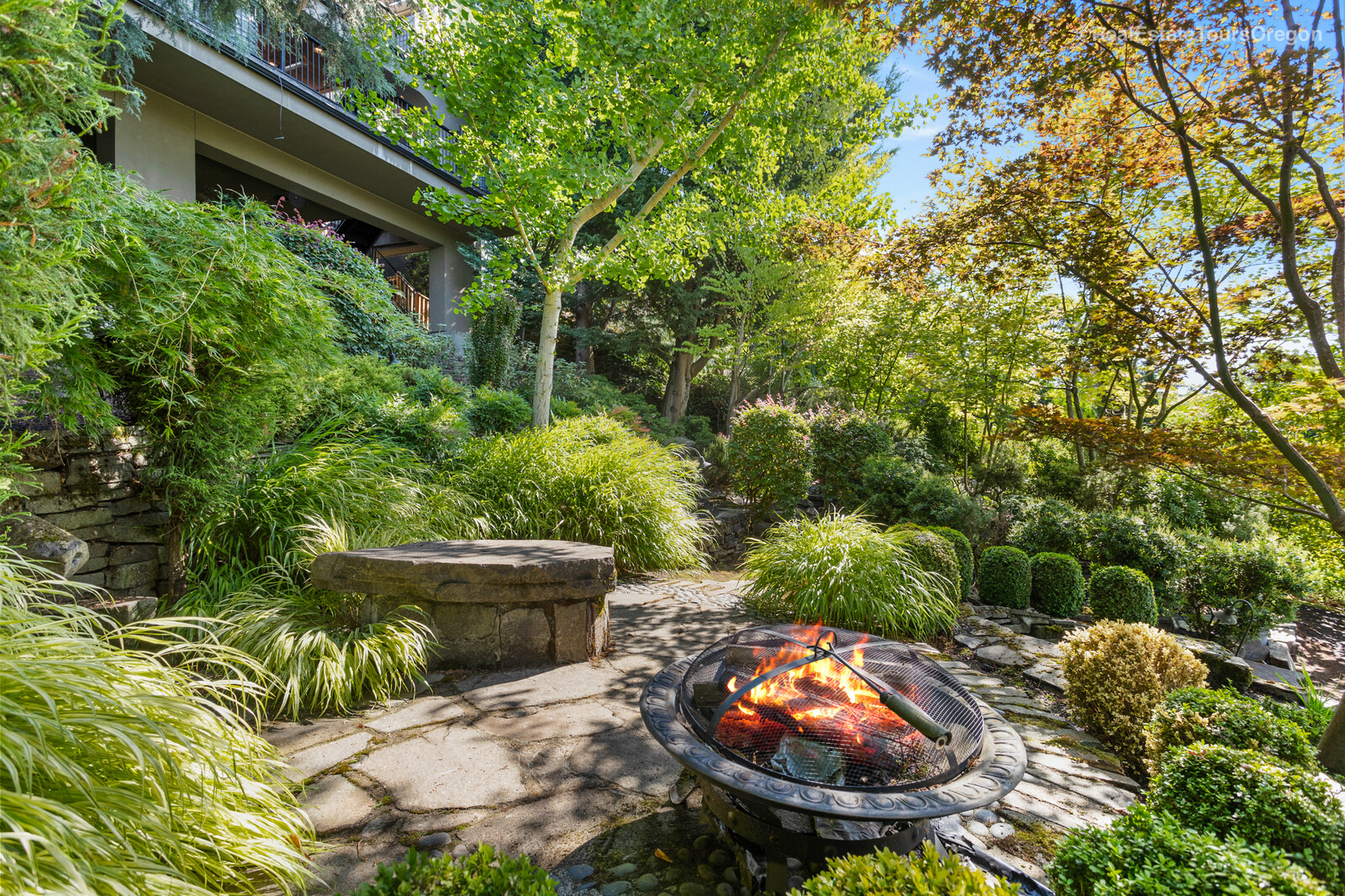
A healthy, green lawn goes a long way in giving your home major curb appeal. However, maintaining a beautiful lawn can often be a difficult task. Every lawn is different, and with so many different variables to consider, it’s easy to find yourself facing some common lawn care problems. Luckily, you can use these easy lawn care tips to keep your yard looking fresh year-round. Regardless of whether you live in sunny Austin, TX, or the temperate PNW, here are 8 of the most common landscaping issues and their remedies so your lawn stays looking spectacular.
1. Crabgrass
Crabgrass can be a real nuisance due to its unruly growth habits. While it’s an annual weed, it acts like a perennial, meaning it grows all season long. Some homeowners think that simply mowing over the weed will remove it. However, the most effective way to get rid of crabgrass for good is to pull it out, roots and all. If crabgrass begins to take over your lawn, herbicides may be the best lawn care solution for eradicating the weed.
2. Pet urine damage
If you begin seeing problem areas in your yard, dog urine might be the culprit. Pet urine contains a high concentration of nitrogen which can cause lawn burn. To remedy this problem, try changing your dog’s diet to one that does not exceed your pet’s protein requirement, or train your pet to use areas covered by mulch or rock. You can also saturate the area with water to help dilute the nitrogen concentration.
3. Bald spots
A patchy lawn is usually an eyesore. Bald spots on your lawn can be caused by a variety of issues, including pests, grubs, and some types of fungus. Before starting any form of a lawn treatment plan, it’s best to rule out any possible pests or diseases. Once you determine the cause for the spots, you can begin to fix the issue. If no pests or fungus are to blame, start by seeding and watering the affected areas well. However, avoid flooding the turf as this can kill the seeds and make new growth nearly impossible.
4. Damage from weed killer
Weed killers can also cause bald spots and lawn damage, particularly those that are labeled as “non-selective.” To revive your grass after weed killer damage, you’ll need to remove the affected grass and loosen the soil about two inches deep. Then mow the area around the bald spot to less than an inch to allow sunlight to get through. Add compost, topsoil, and fertilizer to provide a strong foundation for your grass to grow. Spread seeds over the area, cover them with a quarter-inch of grass clippings to hold them in place, and water three to four times a day for two weeks.
5. High-traffic areas
Summertime can be rough on our lawns. From kids running around, to backyard get-togethers, your lawn can go through huge amounts of wear and tear during the warmer months. Getting your lawn back to proper health will take a combination of aeration, seeding, and quality watering sessions. Aerating a lawn allows both water and air to penetrate the soil, which builds better root systems for your grass and fosters a healthier, more beautiful lawn.
6. Lawn rust
Lawn rust is a fairly easy lawn disease to identify due to its obvious yellow and brown coloring. The disease is caused by a fungus called Pucciniales, which starts out as small yellow-orange or red-brown colored flecks on grass blades and eventually turns the entire blade a rusty color. Many lawns affected by the disease are nitrogen deficient. But you can reverse the damage by following this lawn care tip – use a nitrogen-rich fertilizer in combination with aerating your yard and watering deeply.
7. Compaction
Watering your lawn is futile if the water can’t get to the roots. If you’re watering regularly and your grass is still struggling, compacted soil may be the cause. Compacted soil is common in areas where there is high foot traffic. If you have kids who are always playing in the yard, you may be more susceptible to experiencing this problem. Aerating your lawn annually will allow water to penetrate the soil and properly nourish your grass. To slow the process of compaction, avoid excessive traffic on your lawn, especially when wet. Installing a pathway can help divert traffic from your grass and even add some appeal to your home if you look to sell in the near future.
8. Mushrooms
Mushrooms popping up on a lush lawn can ruin the look and appeal of your landscaping. Many people don’t realize that mushrooms don’t just appear out of nowhere. They typically spawn from organic matter in your soil during wet conditions, but won’t last long once exposed to sunlight. To help keep your lawn mushroom-free, try to remove animal waste, decaying sticks or stumps, and old mulch. Also, a very important lawn care tip: try not to overwater your lawn. Too much water can increase the likelihood of organic matter decay. These lawn care tips will ensure healthier, more luscious grass year-round.

Christie's International Real Estate Evergreen
| Christie's International Real Estate Evergreen
or another way